


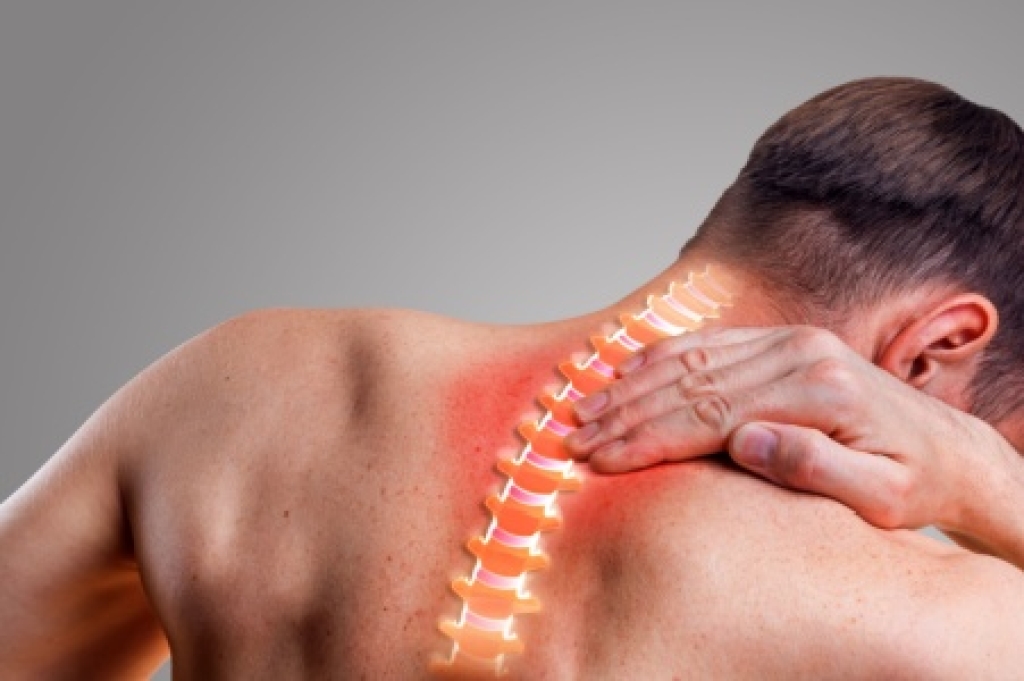
Muscle spasms, stiffness, and spasticity can make normal movement feel difficult. A muscle spasm is a sudden, involuntary tightening of a muscle. Stiffness can make a joint harder to move, while spasticity describes muscles that stay tight or become difficult to control. These symptoms can affect posture, balance, and daily activities. Their effects can vary from mild discomfort to problems with movement. Spasms and stiffness can also have different triggers, so understanding when symptoms occur can help a chiropractor evaluate how they affect your body. A careful assessment can look at your movement, muscle tension, and the way different parts of your body work together.
Chiropractic care can focus on improving movement and reducing strain in areas affected by stiffness or muscle tension. Your chiropractor can assess your posture, joint movement, balance, and muscle function. Treatment can include gentle adjustments, soft-tissue techniques, and guided movement exercises. These approaches can help support joint motion and make certain movements easier. Your chiropractor can also consider how muscle tension affects your daily activities and create a treatment plan based on your symptoms and physical findings. Since spasms and stiffness can vary from person to person, care should be tailored to your needs and abilities. The goal is to support safer, more comfortable movement while addressing factors that could be contributing to your symptoms.
Muscle spasms, stiffness, or spasticity that interfere with walking, balance, or daily activities deserve attention. Symptoms that are severe, persistent, or becoming harder to manage should be evaluated. A chiropractor can assess your movement and determine whether chiropractic care is appropriate for your symptoms. The evaluation can also help identify areas of restricted movement or muscle tension that could be affecting how your body functions. Treatment can then focus on improving movement and supporting better physical function. If you have developed muscle spasms, stiffness, or spasticity, it is suggested that you schedule an appointment with a chiropractor for a diagnosis and appropriate treatment.
Muscle Spasms
Muscle spasms, or involuntary muscle contractions, can cause sudden pain and tightness, often disrupting daily activities and causing significant discomfort. Spasms are typically triggered by muscle strain, dehydration, poor circulation, or nerve irritation and can occur in any muscle, although they are most common in the neck, back, and legs.
Chiropractic care for muscle spasms aims to relieve muscle tension, improve circulation, and restore the body’s natural balance. By performing gentle adjustments to the spine or other affected areas, chiropractors work to realign the body and reduce nerve interference that may be contributing to the spasms. This approach can help relieve the pressure on muscles, encouraging them to relax and reducing the frequency and intensity of future spasms.
In addition to adjustments, chiropractic care may include stretching exercises, massage, and lifestyle recommendations to prevent recurrence. These exercises are designed to strengthen and support the muscles, improving flexibility and reducing muscle strain.
Chiropractic care offers a holistic, drug-free approach to managing muscle spasms, emphasizing long-term relief and muscle health. By addressing both the immediate symptoms and underlying causes, chiropractic treatment helps people find lasting relief, promoting muscle relaxation and supporting overall well-being.
Will the treatment cause additional pain or discomfort?
Patients sometimes worry that chiropractic adjustments or muscle manipulation will aggravate their spasms. Chiropractors emphasize that treatments are generally gentle and designed to alleviate discomfort without causing additional pain.
Will I feel immediate relief after each adjustment, or does it build over time?
While some patients feel immediate relief after a session, long-term improvement usually develops gradually with consistent treatment. Muscle tension and spasms often respond best to cumulative care over several sessions.
If you have any questions please feel free to contact our office located in Omaha, NE .
