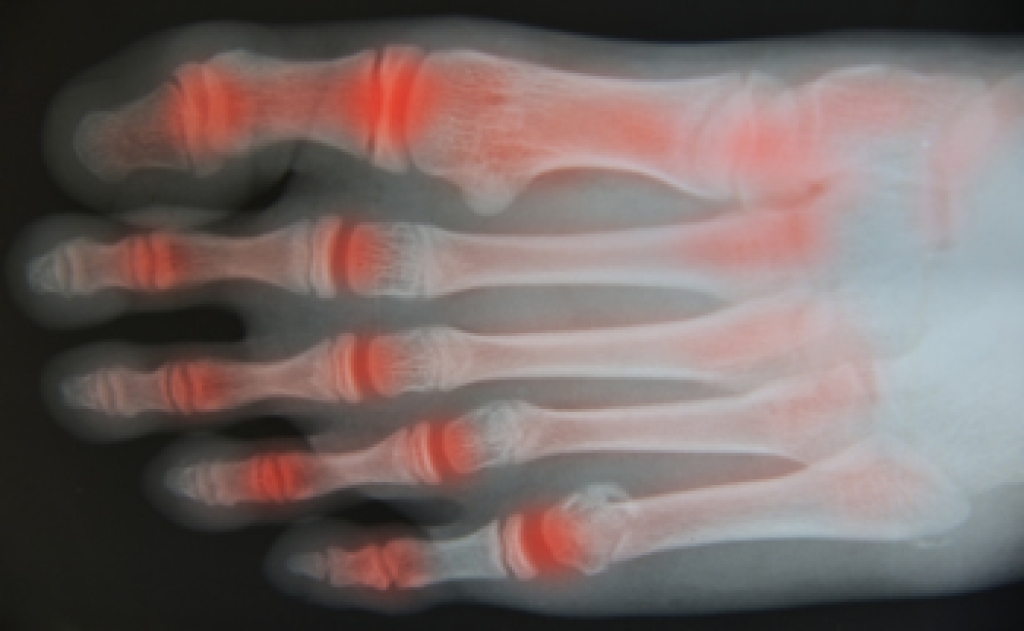
Rheumatoid Arthritis and Its Effects on the Body

Rheumatoid arthritis, or RA, is a chronic autoimmune condition that causes the immune system to mistakenly attack healthy joint tissue. Unlike osteoarthritis, which develops from wear and tear, rheumatoid arthritis involves inflammation that can affect several joints. Symptoms often include joint pain, swelling, and reduced movement. Morning stiffness that lasts for an extended period is common. Rheumatoid arthritis can also cause fatigue or general discomfort. Although the hands and feet are frequently affected, the condition may involve the knees, ankles, and other joints.

Several factors may increase the risk of developing rheumatoid arthritis. Genetics can play an important role because certain inherited immune system traits are associated with greater susceptibility. Environmental factors may also contribute. Smoking, exposure to certain substances, and some infections have been studied as possible influences. Age and biological sex can also affect risk. Having a family history of rheumatoid arthritis does not mean someone will develop it, but it can increase susceptibility. Researchers believe that rheumatoid arthritis develops through a combination of genetic and environmental influences rather than from one single cause.


When rheumatoid arthritis affects the feet, ankles, or walking pattern, chiropractic care may support comfortable movement and joint function. A chiropractor begins with a detailed health history and physical examination. They may evaluate posture, gait, and areas of tenderness. Gentle, appropriate adjustments or other hands-on techniques may help address musculoskeletal restrictions and reduce strain around affected areas. A chiropractor may also recommend supportive strategies for movement and daily activities.


If rheumatoid arthritis is suspected, coordinated care can help protect joint function and support everyday comfort. Early attention to persistent pain, swelling, or stiffness may help identify problems before they interfere more significantly with movement. If you have signs of rheumatoid arthritis, it is suggested that you consult a chiropractor for an accurate evaluation and appropriate treatment. 

Arthritis Relief

Arthritis, a common condition affecting millions, causes inflammation, stiffness, and pain in the joints. It can make everyday activities challenging and significantly impact quality of life. While there is no cure for arthritis, chiropractic care offers a natural, non-invasive way to manage symptoms and improve joint function.

Chiropractors focus on enhancing joint mobility and reducing inflammation through gentle, targeted adjustments. By realigning the body and restoring proper movement, chiropractic care can help relieve the pressure on arthritic joints, alleviating pain and stiffness. Adjustments also support better circulation, which may help reduce inflammation around affected joints.

In addition to adjustments, chiropractors often recommend specific exercises and stretches to strengthen muscles surrounding the joints, improving stability and reducing stress on the joints over time. They may also advise on lifestyle adjustments, such as dietary changes or ergonomic modifications, to support overall joint health.

Why Consider Chiropractic for Arthritis?

Chiropractic care provides a holistic approach to managing arthritis, addressing not just the symptoms but also underlying issues that contribute to discomfort. With regular care, many arthritis patients experience improved mobility, reduced pain, and a higher quality of life. Chiropractic care can be an effective complement to other arthritis treatments, supporting a more active, comfortable lifestyle.

What Types of Arthritis Can Benefit from Chiropractic Care?

Chiropractic care can benefit both osteoarthritis and rheumatoid arthritis by focusing on reducing joint strain and promoting better movement.

If you have any questions, please feel free to contact our office located in Omaha, NE . 

Read more about Arthritis

Acupuncture for Pain and Muscle Tension

Acupuncture is a treatment that uses very thin, sterile needles placed at specific points on the body. The needles enter only a short distance into the skin, and are positioned according to the patient’s symptoms and treatment plan. Acupuncture has roots in traditional Chinese medicine and is now used alongside other forms of health care. Patients seek acupuncture for problems involving pain and muscle tension. It is also used for headaches and osteoarthritis. Some patients feel a brief sting when a needle is inserted, but treatment generally causes little discomfort.

A chiropractor who provides acupuncture can first review the patient’s symptoms, medical history, and treatment goals. This evaluation helps determine whether acupuncture is appropriate and which areas should be addressed. Acupuncture can be used as part of a broader treatment plan for musculoskeletal pain, which is pain involving muscles, joints, or related tissues. This includes discomfort affecting the back, neck, and knee. It can also be used for shoulder or hip pain. The needles do not always need to be placed directly where the patient feels pain. Their placement depends on the treatment approach and the patient’s condition.

An acupuncture session usually involves leaving the needles in place for a set period of time while the patient rests. A chiropractor can adjust needle placement according to the patient’s response and health needs. Acupuncture can be combined with chiropractic care when both approaches are appropriate. Care can focus on reducing pain, easing muscle tension, and supporting comfortable movement. Some patients require several sessions before determining how well acupuncture works for their symptoms. Patients should tell the chiropractor about pregnancy, skin problems, and other important health concerns before treatment begins. If you have symptoms that could benefit from acupuncture, it is suggested that you schedule an appointment with a chiropractor for a diagnosis and appropriate treatment.

Acupuncture as a Natural Complement to Chiropractic Care

Acupuncture has been used for thousands of years to help restore balance within the body. In modern chiropractic settings, acupuncture is often combined with adjustments to support healing and provide a more complete approach to care. Both practices are designed to work with the body’s natural systems rather than mask symptoms, which is why many patients find them effective together.

Acupuncture involves the placement of fine, sterile needles at specific points along the body. These points are believed to stimulate energy pathways, but they also trigger real physical responses such as improved circulation, release of muscle tension, and activation of the nervous system. For chiropractic patients, this can mean enhanced recovery after adjustments, reduced pain, and better mobility.

Many individuals seek acupuncture for back pain, headaches, muscle tightness, or stress. When combined with chiropractic care, the benefits often extend further, as alignment and energy flow are both addressed. This dual approach can also help people who experience chronic conditions, allowing the body to function with greater ease.

A chiropractor who offers acupuncture can tailor treatments to your unique needs, providing safe, natural options that work with your lifestyle. Sessions are typically gentle and calming, and many patients feel relief soon after beginning care.

If you are seeking a holistic way to manage pain and improve overall well being, schedule an appointment for a chiropractic acupuncture session with us today.

Read more about Acupuncture

Elbow Pain and Chiropractic Care

Elbow pain can make simple movements uncomfortable and may interfere with work, exercise, or other daily activities. Symptoms can develop from everyday wear and tear, or repeated stress on the elbow joint and nearby tissues. Some people experience pain and swelling, while others notice weakness or difficulty moving the arm normally. Numbness or tingling may also occur when a nerve is irritated or compressed. Elbow discomfort can have several causes, so identifying where the pain occurs and what movements make it worse can help determine the source.


Overuse is a frequent reason for elbow pain, especially when the same motion is repeated over time. Tennis elbow causes soreness or pain along the outside of the elbow and is often related to overuse of the forearm muscles. Golfer’s elbow affects the inner part of the elbow. Another possible problem is bursitis, which involves swelling of a small fluid-filled sac near the joint. Tendon problems may also develop when tissue becomes injured and does not heal properly. In some cases, arthritis can affect the elbow and cause ongoing discomfort. A pinched nerve may produce pain along with numbness or tingling.


Chiropractic care may be helpful for some people experiencing elbow pain related to joint movement, muscle strain, or repetitive stress. A chiropractor can evaluate the elbow while also examining nearby areas of the arm that may affect movement and function. Based on the evaluation, care can focus on improving joint mobility and reducing unnecessary stress on surrounding tissues. Persistent swelling, reduced movement, or worsening symptoms should not be ignored. If elbow pain is interfering with your movement or daily activities, it is suggested that you consult a chiropractor for an evaluation and appropriate treatment options.

Elbow pain can make even simple tasks challenging, often resulting from repetitive movements, strain, or injuries. Conditions like tennis elbow, golfer’s elbow, and nerve entrapment are common culprits, leading to inflammation and discomfort in the tendons or surrounding tissues. Whether caused by sports, work activities, or an accident, persistent elbow pain can hinder mobility and strength.

Symptoms may range from sharp pain and stiffness to numbness or a weakened grip, interfering with daily life. While pain relief methods like rest can help, they may not address the underlying problem.

Chiropractic care focuses on identifying and treating the source of elbow pain. Through gentle adjustments, soft tissue therapies, and targeted exercises, chiropractors relieve tension, improve joint function, and reduce inflammation. This holistic approach helps not only to ease pain but also to prevent future issues, ensuring long-term comfort and mobility.

1. How does spinal alignment affect elbow pain?

Misalignments in the spine can compress nerves that travel to the arm, leading to referred pain or tension in the elbow. Correcting alignment helps relieve this pressure and improve function.

2. How can chiropractic care help prevent recurring elbow injuries?

Chiropractors identify movement patterns or misalignments that contribute to strain and provide strategies to improve mechanics. This reduces the likelihood of reinjury.

If you have any questions please feel free to contact our office located in Omaha, NE .



Read more about Elbow Pain
Advanced Podiatric Procedures & Services in the Douglas County, NE: Omaha, Ralston, Bennington, Valley, Elkhorn, Sarpy County, NE: Bellevue, Papillion, La Vista, Gretna, Elkhorn areas
Request Appointment